


Staring at a crack in your stucco pool and dreading the thought of draining all that water? You’re not alone. The good news is, you might not have to. We’ll explore how to tackle those pesky repairs without emptying your pool, saving you time, money, and hassle.
In this guide, we’ll cover:
- When you can repair stucco underwater.
- The best techniques and materials for the job.
- Expert tips for a smooth and lasting fix.
Need a hand with your pool repair? Sublime Pools & Spa has over 20 years of experience serving South Florida. We’re committed to faith, integrity, quality, and reliability in every job we do.
When Can You Repair Stucco Underwater?
Believe it or not, you can often fix your stucco pool without draining a single drop. This is a huge plus because draining can:
- Stress the pool structure: Imagine your pool suddenly losing the weight of all that water. It can actually cause it to crack or pop out of the ground.
- Lead to more damage: Exposure to the sun can dry out and damage the plaster mix.
- Waste water (and money): Refilling a gunite pool isn’t cheap, especially with rising water costs.
Before you grab your trowel and dive in, there are a few things to consider. Underwater stucco repair works best for minor cracks and cosmetic fixes. We’re talking hairline cracks, small chips, and minor imperfections.
For larger cracks, structural damage, or significant deterioration, you’ll still need to drain the pool and call in the pros. (That’s where Sublime Pools & Spa comes in) But for those smaller issues, you can absolutely save yourself the headache and keep that water right where it is.
The Best Techniques and Materials for the Job
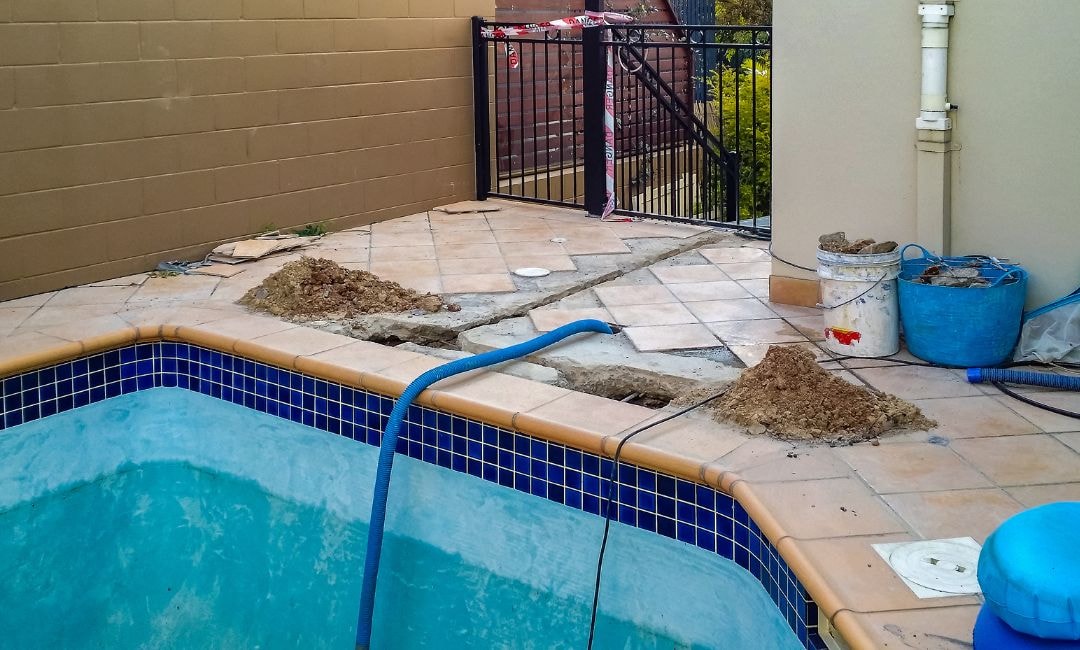
So you’ve determined your stucco damage is minor enough for an underwater fix. Awesome. Now, let’s gather the right tools and materials. This isn’t your average DIY project, so we need specialized gear to ensure a proper, lasting pool plaster repair.
Here’s what you’ll need:
- Epoxy Putty: This is your underwater magic goop. It’s a two-part adhesive that cures even when submerged. Look for a marine-grade epoxy specifically designed for underwater use.
- Putty Knife: A small putty knife will help you apply and smooth out the epoxy.
- Gloves: Protect those hands. Epoxy can be sticky and messy.
- Goggles: Safety first. Especially when working with chemicals underwater.
- Sandpaper: For smoothing out the repair once the epoxy has cured.
Clean the area around the crack before applying the epoxy. This ensures a strong bond. A wire brush or even a toothbrush can help remove any debris or loose stucco.
Now, let’s get to work.
- Mix the epoxy: Follow the instructions on the packaging. Usually, you’ll knead the two parts together until they’re thoroughly combined.
- Apply the epoxy: Press the putty firmly into the crack, making sure to fill it completely.
- Smooth it out: Use your putty knife to create a smooth, even surface.
- Let it cure: Epoxy needs time to harden. Again, refer to the manufacturer’s instructions for cure times. It usually takes 24-48 hours.
- Sand it down: Once the epoxy is fully cured, use sandpaper to smooth out any rough edges and blend the repair with the surrounding stucco.
This is a basic overview. The specific techniques and materials might vary depending on the type of stucco and the extent of the damage. If you’re unsure, it’s always best to consult with a professional. (Hint, hint… Sublime Pools & Spa)
Want to see this process in action? Check out our gallery to see how we repaired a stucco pool without draining the water.
Expert Tips for a Smooth and Lasting Fix
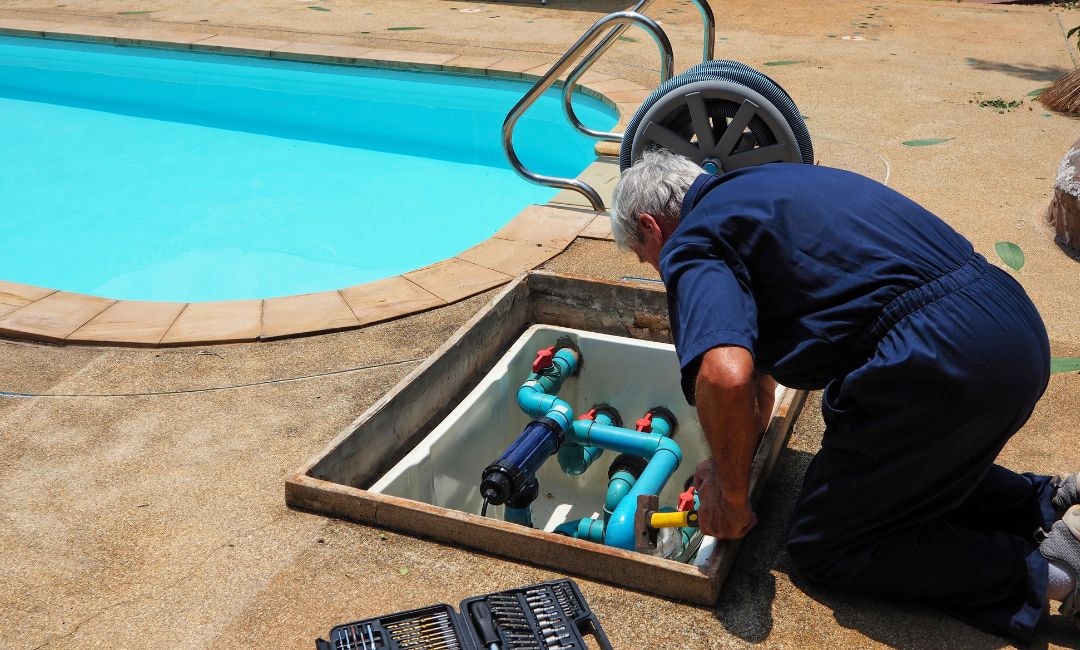
So, you’ve got the tools, the materials, and the basic know-how. Now, let’s take your underwater stucco repair from “meh” to “marvelous” with some expert tips.
- Temperature matters: Epoxy cures best in warmer water. Aim for a pool water temperature of at least 70°F. If your plaster pool floor is a bit chilly, you might need to wait for a warmer day or warm up the area around the repair.
- Work in small sections: Don’t try to tackle a huge crack all at once. Break it down into smaller, more manageable sections. This will make it easier to apply the epoxy and ensure a good seal.
- Don’t overwork the epoxy: Once you’ve applied it, resist the urge to keep fiddling with it. Overworking the epoxy can weaken the bond and make it more likely to fail.
- Be patient: Don’t rush the curing process. Give the epoxy plenty of time to harden completely before you start sanding or using the entire pool.
- Consider the color: Epoxy putty comes in various colors. Try to match the color of your stucco as closely as possible for a seamless repair.
If you’re having trouble getting the epoxy to stick, try roughing up the inground pool surface of the stucco with sandpaper. This will create a better surface for the epoxy to adhere to.
Still feeling unsure? Don’t hesitate to reach out to the experts at Sublime Pools & Spa. We’re happy to answer your questions and provide guidance. After all, we’ve been serving South Florida for over 20 years, and we’re committed to providing top-notch service with integrity and reliability.
FAQs About Underwater Stucco Pool Repair
Can you patch a concrete pool with water in it?
Yes, you can. Just like with stucco, minor cracks and damage in hydraulic cement or gunite pools can often be repaired underwater using specialized epoxy putty.
Can you fix a crack in a pool without draining it?
Absolutely. Whether your pool is stucco, concrete, or even fiberglass, there are often underwater repair options for small cracks and leaks.
Do you have to drain a pool to patch it?
Not always. For minor damage, you can often skip the draining and use underwater repair techniques. However, for larger cracks, structural issues, or significant deterioration, draining might be necessary for a proper, long-lasting fix.
Can you patch a plastered pool?
Yes, you can patch a plastered pool. Minor stained plaster patch damage can be repaired underwater using specialized patching compounds. However, for larger areas or significant damage, you might need to drain the pool and replaster the affected area.
Keep Your Pool Sparkling (and Full) with Sublime Pools & Spa
You can absolutely tackle those minor pool plaster repairs without turning your pool into a giant bathtub. With the right materials, techniques, and a dash of expert advice, you’ll have your pool looking its best in no time.
Key takeaways
- Underwater stucco repair is possible for minor cracks and imperfections.
- Epoxy putty is your go-to material for underwater fixes.
- Proper preparation and technique are crucial for a lasting repair and simplify pool maintenance.
- When in doubt, don’t hesitate to call in the professionals.
Speaking of professionals, if you’re in the South Florida area and need help with your pool, Sublime Pools & Spa is here for you. Whether you’re facing a minor crack or a major renovation, our team of experts is committed to providing top-quality service with integrity and reliability. We serve Broward, Fort Lauderdale, and surrounding areas, including Davie, Coral Springs, and Weston. Contact us today for all your pool care needs.


