


We love a relaxing soak, but what happens when your spa throws a curveball? Nothing ruins a chill evening faster than murky water or jets that just won’t cooperate. You might think a small problem means a huge repair bill, but that’s not always the case.
Many common spa issues have simple solutions. We help you tackle those annoying problems head-on, so you can get back to enjoying your personal oasis.
In this article, we cover the top 4 common issues & solutions:
- Fixing cloudy or foamy water
- Restoring weak or non-working jets
- Troubleshooting heater problems
- Solving leaky spa issues
Here at Sublime Pools & Spa, we help folks keep their pools and spas running great. We’ve got years of experience keeping water crystal clear and equipment humming.
Issue #1: Cloudy or Foamy Water
You settle in for a relaxing dip, only to find your spa water looks like a science experiment. Cloudy or foamy water is a huge buzzkill. This problem is common, but it’s often simpler to fix than you think. You don’t need to drain everything just yet.
What Makes Your Water Go Murky?
Several culprits can turn your clear water into a cloudy mess. We see these issues all the time.
- Chemical Imbalance: This is the most frequent offender. If your pH, alkalinity, or sanitizer levels are off, your water quickly loses its sparkle.
- Dirty Filters: Your filters are the unsung heroes, trapping debris and contaminants. If they’re clogged, they can’t do their job, and grime builds up.
- High Bather Load: More people in the spa means more lotions, oils, and body products. These can quickly overwhelm your sanitation system and create foam.
- Old Water: Even with perfect chemicals, spa water needs changing. Over time, total dissolved solids (TDS) build up, making the water harder to keep clean.
Clear Up That Cloudiness
You can tackle cloudy water with a few straightforward steps. We help many of our clients resolve this issue quickly.
- Test Your Water, Seriously: Get a reliable test kit or strips. Check your sanitizer (chlorine or bromine), pH, and alkalinity. Adjust them one by one until they hit the ideal ranges.
- Pro tip: Always adjust pH first, then alkalinity, then sanitizer.
- Clean or Replace Filters: Pull out your filters and give them a thorough cleaning with a filter cleaner. If they’re old and worn, it’s time for new ones. Clean filters are vital for clear water.
- Shock Your Spa: A good shock treatment can burn off organic contaminants, causing cloudiness and foam. Follow the product instructions carefully.
- Drain and Refill: If all else fails, or if your water is several months old, a fresh start is often the best solution. Drain the spa, clean the shell, and refill it. You’ll be amazed at the difference.
Keeping your spa water pristine helps your equipment last longer, too. Regular maintenance prevents wear and tear on your pumps and heaters. At Sublime Pools & Spa, we offer comprehensive residential pool service that includes water testing and balancing, making sure your spa stays crystal clear and enjoyable for seasons to come.
Issue #2: Weak or Non-Working Jets
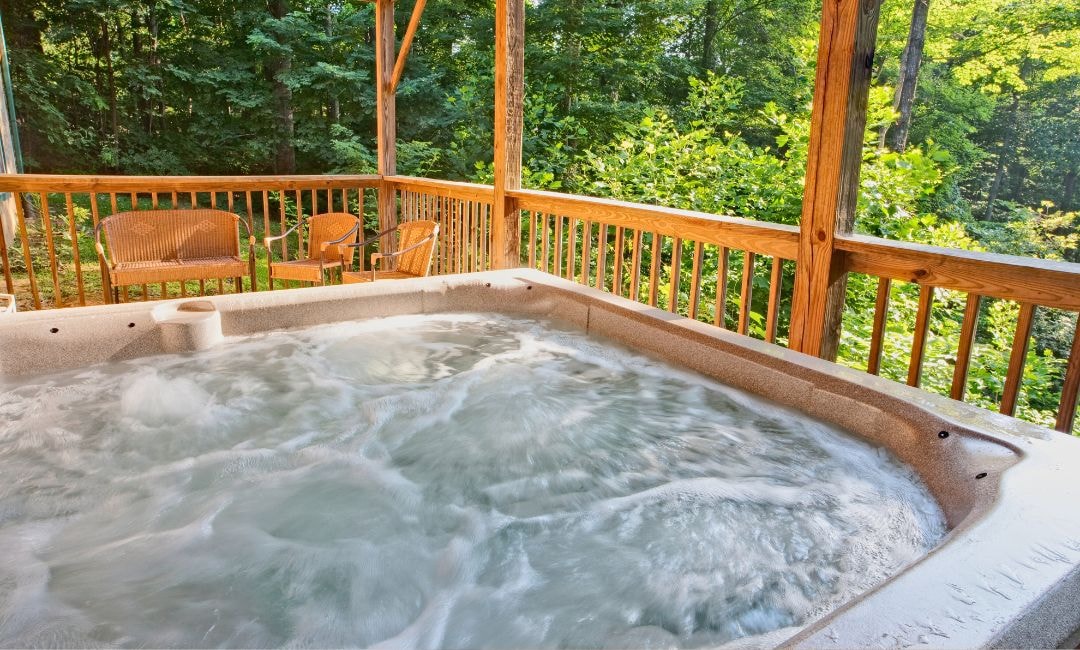
You look forward to that powerful massage from your spa jets, but then… nothing. Or maybe just a trickle. Weak or non-working jets can be more off-putting than cloudy water, robbing you of that relaxing experience. This is a common hot tub problem, but you can often track down the cause without a spa expert.
Why Are Your Jets Losing Their Punch?
Several things can stop your jets from functioning properly. We often see these issues when we work on hot tub repairs.
- Trapped Air: This is a surprisingly frequent culprit. Air can get trapped in the lines or the spa pump, preventing proper water flow.
- Low Water Level: If the water in your hot tub isn’t high enough, the pump struggles to pull water, leading to low water flow weak jets.
- Clogged Filters: Just like with cloudy water, clogged filters restrict the overall water flow to your circulation system, which affects jet pressure.
- Closed Valves: Some hot tubs have valves to control individual jets or banks of jets. We’ve seen plenty of cases where someone accidentally closed a valve.
- Debris in Jet Nozzle: Sometimes, a small piece of debris – like a leaf or even body oils – gets stuck right in the jet nozzle itself, blocking the water.
- Failing Spa Pump: In some cases, the spa pump might be losing power, or pump seals could be worn out, leading to reduced pressure. You might even hear a noisy spa pump as it struggles.
Get Your Jets Roaring Again
You can often fix weak spa jets yourself. Try these steps before you consider calling for costly repairs.
- Burp the System: Turn off your hot tub at the control panel, then turn it back on. This often forces trapped air out of the lines. You can also try loosening the union nuts on the spa pump a little to release air.
- Check Water Level: Make sure your hot tub water is filled to the recommended line. If it’s too low, simply add more water.
- Clean Your Filters: A thorough cleaning of your filters can dramatically improve water flow to your spa jets. Remove them and rinse thoroughly.
- Inspect Valves: Locate all jet valves and ensure they are fully open. Sometimes a quick twist is all it takes.
- Clear Jet Nozzles: Turn off the hot tub. Carefully remove any visible debris from the jet nozzles. A small, non-sharp tool can help, but be gentle to avoid further damage.
If you’re still experiencing low water flow or a noisy spa pump after trying these steps, it might point to an issue with the pump or another part of your circulation system. Sublime Pools & Spa offers expert equipment installation and repairs. We can quickly diagnose issues with your heating element, circulation system, or spa pump to get your hot tub cover back on and your jets powerful again.
Issue #3: Heater Troubles
There’s nothing worse than looking forward to a warm soak, only to discover your hot tub is stone cold. Heater troubles are among the most frustrating spa problems. You expect warmth, and when it’s not there, it spoils the whole experience.
Why Is Your Spa Not Heating?
Several factors can cause your spa’s heating system to falter. We see these kinds of issues often.
- Low Water Flow: Your heater needs a consistent flow of water to work. If water flow is restricted, perhaps due to clogged filters or a weak spa pump, the heater won’t activate or will shut off as a safety measure. This is a common root cause for many heating system failures.
- Dirty Filters: Clogged filters reduce the water flow needed for the heating element to engage. This often leads to the heating system sensing insufficient flow and not turning on.
- Thermostat or Sensor Issues: The thermostat tells your heater when to turn on and off. If it’s faulty, it might not be reading the water temperature correctly. Similarly, a bad high-limit sensor can falsely detect overheating and shut down the heater.
- Heating Element Failure: Over time, the heating element itself can burn out or become coated with mineral deposits. This prevents it from effectively heating the spa water.
- Control Panel or Circuit Board Problems: Sometimes, the issue isn’t with the heating element but with the brains of your hot tub. A glitch in the control panel or a faulty circuit board can prevent the heater from receiving the command to turn on.
- Breaker Tripped: This is a simple one, but it happens. Your hot tub is on a dedicated breaker, and if it trips, the power to the heater (and often the entire spa) cuts out.
Getting Your Spa Hot Again
You can troubleshoot many heating issues yourself before needing a local technician. We guide many people through these steps.
- Check Water Flow and Filters: First, make sure your water level is good, and your filters are spotless. Clean filters are crucial for proper heating. You might save time and avoid further headaches just by doing this.
- Reset the Breaker: Go to your electrical panel and flip the breaker for your hot tub off, then on again. This can reset the system and clear minor glitches.
- Verify Thermostat Settings: Double-check that your desired temperature is set correctly on the control panel. Sometimes, it’s just a simple adjustment.
- Look for Error Codes: Your control panel might display an error code that points directly to the problem, like a “low flow” or “heater” error. Consult your owner’s manual for what these codes mean.
- Balance Your Water Chemistry: While not a direct cause of heater failure, unbalanced pH balance or chlorine levels can lead to scale buildup on the heating element over time, reducing its efficiency. Keep your water balanced for optimal performance.
If you’ve checked these points and your spa still isn’t heating, or if you hear a high pitched squeal, it might be time for a professional diagnosis. Our team at Sublime Pools & Spa has decades of experience with spa equipment.
Issue #4: Leaks
Discovering a leak in your spa is never good news. It can lead to wasted water, increased energy bills, and even damage to the surrounding area. Addressing leaks quickly is key to maintaining your spa and avoiding more significant problems down the line. Leaks are definitely among the most common spa problems we encounter.
Where Is That Water Going?
Pinpointing the source of a leak is the first thing you need to do. Here are some common culprits behind these common issues:
- Plumbing Connections: Loose fittings on pipes connected to the pump, heater, and jets are frequent offenders. Over time, vibrations and temperature changes can cause these connections to loosen.
- Spa Jets: The seals around individual spa jets can degrade or crack, leading to drips or more significant leaks.
- Pump Seals: As mentioned before, worn or damaged pump seals can not only cause low water pressure to the jets but also result in leaks around the pump itself.
- Heater Unions: The connections to and from the heating element can sometimes develop leaks.
- Shell Cracks: While less common, cracks in the spa shell itself can occur, especially with older spas or those exposed to extreme temperature fluctuations.
- Drain Plug: Believe it or not, a loose or improperly sealed drain plug is often the source of slow but persistent leaks.
Stop the Drip (or Gush)
Finding and fixing leaks might seem daunting, but you can tackle many of these common problems yourself, at least for the time being.
- Inspect Plumbing Connections: Carefully examine all visible plumbing connections. Look for any signs of moisture or dripping. Try gently tightening any loose fittings with a wrench, but be careful not to overtighten and cause further damage.
- Check the Jets: Inspect the area around each spa jet for any signs of leaking, especially when the spa is running.
- Examine the Pump and Heater: Look closely at the pump housing and the connections to the heater for any drips or wetness.
- Inspect the Shell: Carefully look over the entire spa shell for any visible cracks, both above and below the waterline.
- Ensure Drain Plug is Secure: Double-check that the drain plug is tightly sealed.
Addressing leaks promptly can prevent algae growth in areas where water is consistently present and also help maintain proper pH balance, as you won’t constantly add fresh water with a different pH. While you might find temporary fixes, persistent leaks often require professional attention. Ignoring them can lead to more costly repairs down the road.
Other Most Common Spa Issues with Hot Tub Water
Beyond the big four, you might run into a few other common issues with your hot tub water. These aren’t always as dramatic as a cold heater or a major leak, but they can still impact your relaxing experience.
- Bad Odors: Your hot tub water should smell clean. If you notice a musty, chemical, or otherwise unpleasant smell, it usually points to unbalanced chemicals, too much organic matter in the water, or filter problems. A good shock treatment and filter cleaning often solves this.
- Scaling: Hard water can lead to a rough, gritty buildup on your spa surfaces and even inside pipes and on the heating element. This scale is caused by high calcium hardness. You might need a scale inhibitor or even a pH increaser to balance your water.
- Foam: While often linked to cloudy water, excessive foam can be its own nuisance. It’s usually caused by too many body oils, lotions, or detergents in the water. An anti-foam product can help for the time being, but the long-term fix involves shocking the water and ensuring proper filtration.
- Discolored Water: Sometimes your spa water isn’t cloudy, but it has a strange tint – green, brown, or even black. Green often means algae, while brown or black can indicate metals in your water. Identifying the specific color helps us pinpoint the problem.
We have seen most issues like these many times. If you’re dealing with these or any other common spa problems, remember that Sublime Pools & Spa is ready to help. You don’t have to tackle these alone.
Ready to Keep Your Spa Great with Sublime Pools & Spa?
Taking care of your spa doesn’t have to be a headache. You can handle many common issues, from cloudy water to weak jets, with a little know-how. Staying on top of these problems keeps your spa a relaxing escape.
Here are your key takeaways:
- Test water regularly to prevent chemical imbalances.
- Clean filters often for clear water and strong jets.
- Check for airlocks or low water levels if the jets are weak.
- Inspect connections and seals for leaks to save water and prevent damage.
When those spa problems get tough, or you just want peace of mind, our team at Sublime Pools & Spa is ready to help. We’re here to ensure your hot tub runs perfectly, so you can focus on enjoying every moment.


