


Ever jumped into a pool and felt like you were swimming in an ice bath? Yeah, it’s not the most relaxing experience. But don’t worry. We’re here to help you warm things up. This guide talks about the costs of pool heaters, so you can finally enjoy that perfect pool temperature without breaking the bank.
Here’s what we’ll cover:
- Different types of pool heaters: From gas to solar, we break down the pros and cons (and pool heater costs) of each option.
- Factors that influence price: We’ll explore how your pool size, climate, and desired temperature affect the overall cost.
- Installation costs: Don’t forget about this hidden expense. We’ll give you the lowdown on installation fees.
- Maintenance and operating costs: Keep your heater running smoothly (and your wallet happy) with our tips on maintenance and energy efficiency.
Speaking of keeping your pool happy, Sublime Pools & Spa offers a “no green pool” guarantee. Yep, you heard that right. If your pool turns green for any reason, we’ll take care of it free of charge. Pretty cool, right?
Different Types of Pool Heaters (with Costs)
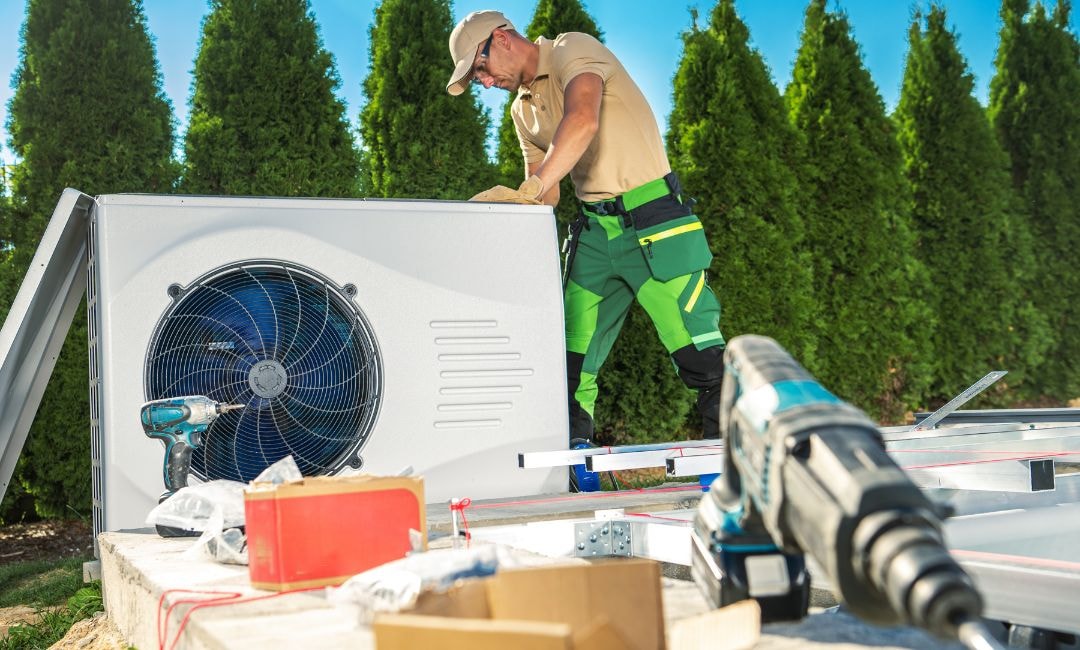
Just like swimsuits, inground pool heaters come in different styles. Choosing the right one can make all the difference between a shivering dip and a perfectly toasty swim. But unlike that trendy new swimsuit, a pool heater is an investment. So let’s break down the most popular types, with pool heater cost estimates to help you budget for your backyard oasis:
1. Gas Pool Heater
These bad boys are like the Ferraris of the pool heater world. They heat water fast, so you can go from “brrr” to “ahh” in no time. They run on either natural gas or propane. While they might cost more upfront, they’re a reliable choice for quick heating, especially in colder climates.
Imagine you’re hosting a pool party on a chilly evening. With a gas heater, your pool will be warm and inviting before your guests even arrive. No waiting around for the sun to do its thing.
Cost:
- Purchase Price: $1,800 – $4,500 (depending on size and efficiency)
- Installation: $500 – $1,500 (can vary based on gas line hookup)
Pros:
- Heats quickly
- Works in any weather
- Reliable performance
Cons:
- Higher upfront cost
- Higher operating costs (compared to heat pumps)
- Not the most eco-friendly option
2. Heat Pumps
Heat pumps are like the eco-conscious Prius of pool heating. Electric pool heaters don’t generate heat directly, but instead, they move heat from the air to your pool water. This makes them super energy-efficient, which means lower monthly bills for you. They do take a bit longer to heat the pool, but hey, good things come to those who wait, right?
Cost:
- Purchase Price: $3,000 – $6,000 (depending on size and efficiency)
- Installation: $750 – $2,000 (can vary based on electrical requirements)
Pros:
- Energy-efficient
- Lower operating costs
- Environmentally friendly
Cons:
- Slower heating time
- Can be less effective in colder climates
- Higher upfront cost than gas heaters
3. Solar Pool Heater
If you’re all about soaking up the sun, then solar pool heaters are your jam. They use the sun’s energy to heat your pool, which is about as natural as it gets. They’re a great option for sunny climates and eco-conscious pool owners. The downside? Cloudy days can put a damper on your swimming plans.
Imagine this: You’re lounging by the pool on a sunny afternoon, enjoying the warm water heated entirely by the sun. Talk about sustainable swimming.
Cost:
- Purchase Price: $3,000 – $8,000 (depending on the number of panels and system complexity)
- Installation: $1,000 – $3,000 (includes roof mounting and plumbing)
Pros:
- Environmentally friendly
- Low operating costs (basically free)
- Great for sunny climates
Cons:
- Reliant on sunshine
- Can be less effective in colder climates or during cloudy weather
- Higher upfront cost than gas heaters
So, which type of heater is right for you? It depends on your budget, climate, and how often you use your pool.
Factors that Influence Pool Heater Prices
So, you know the different types of pool heaters. But how much will one actually cost you? Well, that depends on a few key factors. Consider it like buying a car – a base model has a different price tag than one with all the bells and whistles.
1. Pool Size: Bigger Pool, Bigger Bucks
This one’s pretty straightforward. The bigger your pool, the more powerful your heater needs to be. And more power usually means a higher price tag.
Here’s a general idea:
- Small pool (under 10,000 gallons): You might get away with a smaller, less expensive heater.
- Medium pool (10,000 – 20,000 gallons): You’ll need a mid-range heater with a bit more oomph.
- Large pool (over 20,000 gallons): Prepare for a higher price tag, as you’ll need a powerful heater to keep all that water toasty.
2. Climate: Chasing the Sun (or Fighting the Freeze)
Where you live plays a big role in heater costs. If you’re in sunny Florida, you might not need as powerful a heater as someone in chilly Maine.
Consider this:
- Warm climates: A smaller heater (or even a solar heater) might be all you need.
- Moderate climates: You’ll need a heater that can handle the shoulder seasons when temperatures dip.
- Cold climates: A powerful gas heater might be your best bet to extend your swimming season.
3. Desired Temperature: How Hot Do You Like It?
Do you like your pool water like a bathtub, or just a few degrees warmer than the air? The higher you want to crank the heat, the more it’ll cost you.
Think of it this way:
- Maintaining a comfortable temperature (80-85°F): This is the sweet spot for most people and won’t require a super powerful (or expensive) heater.
- Heating for therapeutic purposes (86-90°F): If you need warmer water for health reasons, expect to pay more for a heater that can reach those higher temps.
- Creating a tropical oasis (90°F+): Well, hello there, high roller. Be prepared for higher energy bills if you want to swim in bathwater.
4. Installation Costs: Don’t Forget the Fine Print
Don’t get blindsided by hidden costs. Installation can add a significant chunk of change to your overall expenses.
Here’s why:
- Gas heaters: Need to be hooked up to a gas line.
- Pool heat pump: Require electrical connections.
- Solar heaters: Need to be mounted on your roof.
Always get a detailed quote from a reputable installer like Sublime Pools & Spa. We’ll make sure everything is installed correctly and efficiently, so you can avoid any unexpected surprises (and expenses).
Pro Tip:Consider getting multiple quotes from different installers to compare prices and find the best deal.
By understanding these factors, you can make an informed decision and choose the perfect pool heater for your budget and needs.
Pool Heater Installation Costs
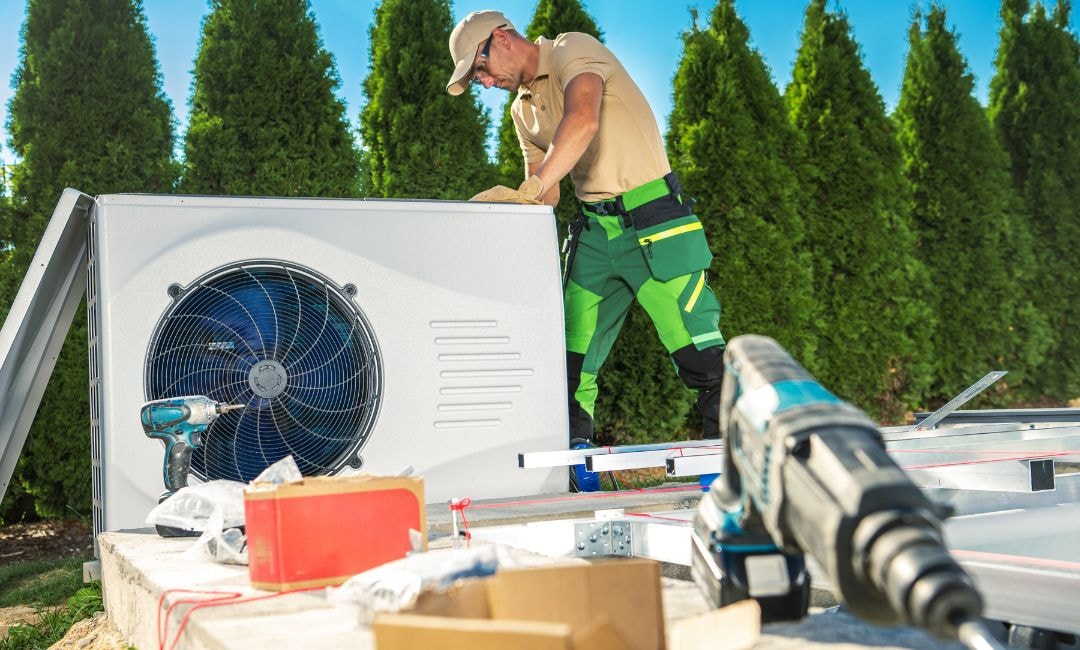
You’ve picked out your dream swimming pool heater. But before you can cannonball into that perfectly heated water, there’s one more thing to consider: installation costs.
Installation costs can vary wildly depending on a few factors:
Heater Type: Some Heaters Are More Complex Than Others
- Gas heaters: These usually require a gas line hookup, which can add to the cost if you don’t already have one.
- Heat pump pool heaters: Need to be connected to your electrical system, and sometimes require a dedicated circuit.
- Solar heaters: These are the most complex to install, as they involve mounting panels on your roof and connecting them to your pool’s plumbing.
If you’re handy, you might be able to install a pool heater that is of gas variant yourself. But for heat pumps and solar heaters, it’s best to leave it to the pros (like our team at Sublime Pools & Spa).
Accessibility: Easy Access = Easier Installation
Is your pool equipment area easily accessible? Or is it hidden behind a jungle of bushes and garden gnomes? The harder it is for installers to access your equipment, the more time it will take, and time is money.
Installers have to haul heavy equipment through a maze of obstacles just to reach your pool pump. That’s going to add to the labor costs.
Location
Where you live can also affect installation costs. If you’re in a remote area, installers might charge extra for travel time. And if you live in an area with strict building codes, that can also add to the complexity (and cost) of the installation.
The “Extras”: Unexpected Costs Can Pop Up
Sometimes, unexpected issues can arise during installation. Maybe your existing plumbing needs to be upgraded, or there’s an issue with your electrical panel. These “extras” can add to the overall cost, so it’s important to be prepared.
Always get a detailed quote from your installer before any work begins. This will help you avoid any surprises and budget accordingly.
At Sublime Pools & Spa, we believe in transparency. We’ll give you a clear, upfront estimate of all installation costs, so you know exactly what to expect. No hidden fees, no surprises, just honest, reliable service.
Maintenance and Operating Costs
You’ve got your heater, it’s installed, and you’re living the good life with a perfectly heated pool. But hold on. Just like your car needs regular tune-ups, your pool heater needs some TLC to keep it running smoothly (and efficiently). Let’s get into the costs of keeping your pool warm without draining your bank account.
Regular Maintenance
Take regular maintenance like brushing your teeth – a little effort prevents bigger problems down the road. For pool heaters, this means:
- Annual inspections: Just like you visit the doctor for a check-up, your heater needs a yearly inspection by a qualified technician. They’ll catch any potential issues before they become major headaches (and expenses.).
- Cleaning: Keep your heater free of debris and gunk. This helps it run more efficiently and prevents costly repairs.
- Water chemistry: Balanced water chemistry is key to preventing corrosion and damage to your heater.
Sublime Pools & Spa offers regular pool maintenance plans that include heater checks and cleaning. It’s like having a personal trainer for your pool.
Energy Efficiency
The type of heater you choose plays a big role in operating costs.
- Gas pool heaters: These guys are the energy hogs of the pool heater world. Expect higher gas bills, especially if you use your heater frequently.
- Heat pumps: These are the eco-warriors, using less energy and saving you money in the long run.
- Solar swimming pool heaters: Free energy from the sun? Yes, please. Operating costs are minimal, but you might need a backup heater for cloudy days.
Here are some ways to boost energy efficiency (and save some cash):
- Use a pool cover: This acts like a blanket, preventing heat loss and reducing energy consumption.
- Optimize your pump: A variable-speed pump can save you a bundle on energy costs.
- Lower the temperature when not in use: No need to keep the pool toasty warm when no one’s swimming.
Investing in a smart thermostat can help you automate temperature control and optimize energy usage.
By staying on top of maintenance and taking steps to improve energy efficiency, you can enjoy a warm pool without breaking the bank.
The Best Electric Pool Heater for Florida Homes

Florida, the Sunshine State. Known for its balmy weather, beautiful beaches, and… chilly pools in the winter? 🥶 Okay, maybe not chilly, but let’s face it, even in Florida, a little pool heating goes a long way. But with so many options out there, how do you choose the best heater for your backyard oasis?
For most Florida homeowners, we recommend the Raypak R8450TI-E Heat Pump. Why? Because it’s like the perfect Florida cocktail: efficient, reliable, and easy on the wallet (just like that happy hour margarita).
Raypak R8450TI-E Heat Pump
This heat pump is packed with features that make it ideal for Florida’s climate:
- Energy Efficiency: With a COP of 4.5, this heat pump sips energy like a hummingbird sips nectar. You’ll enjoy a warm pool without a shocking energy bill.
- Titanium Heat Exchanger: This bad boy is built to last, resisting corrosion from Florida’s salty air and harsh pool chemicals.
- Quiet Operation: No more noisy heaters disrupting your poolside zen. This heat pump operates quietly, so you can relax and enjoy the sounds of nature (or your favorite poolside playlist).
- Digital Controls: Easy-to-use controls let you set your desired temperature and forget about it.
- Durable Construction: Built with a tough, weather-resistant cabinet, this heat pump can handle Florida’s sunshine and occasional thunderstorms.
The Raypak R8450TI-E is like having a personal pool attendant who keeps your water perfectly warm without any fuss. You can focus on enjoying your pool, not worrying about the heater.
Ready to take the plunge and invest in a Raypak heat pump? Give Sublime Pools & Spa a call. We’re experts in pool heating and can help you choose the perfect model for your needs. Plus, with our “no green pool” guarantee, you can rest assured that your pool will always be swim-ready.
Pair your new heat pump with a solar cover to further reduce energy costs and keep your pool warm even on cloudy days. It’s like adding an extra layer of coziness to your pool.
FAQs
Is it Worth Putting a Heater in a Pool?
Short answer: Absolutely. A pool heater extends your swimming season, making your pool more enjoyable for longer. Consider it as an investment in your health, happiness, and home value. Who wouldn’t want to take a dip on a cool spring evening or a crisp fall afternoon?
You wouldn’t buy a convertible and only drive it on sunny days, would you? A pool heater lets you enjoy your pool to the fullest, no matter the weather.
Is it Expensive to Run a Pool Heater?
It depends. The cost of running a pool heater varies depending on the type of heater, your pool size, your desired temperature, and how often you use it.
- Gas heaters: These tend to have the highest operating costs, as they consume more energy.
- Heat pumps: These are more energy-efficient, resulting in lower operating costs compared to gas heaters.
- Solar heaters: The most eco-friendly (and budget-friendly) option, with minimal operating costs.
To keep costs down, use a pool cover to retain heat, invest in a variable-speed pump, and lower the temperature when the pool’s not in use.
Can You Add a Heater to an Existing Inground Pool?
Yes, you can. It’s like adding a fireplace to your living room – it can be done, even if it wasn’t part of the original plan. A qualified pool professional (like those at Sublime Pools & Spa) can assess your existing pool and recommend the best heater and installation options.
How Long Does it Take to Heat a 10,000 Gallon Pool?
Again, it depends on the type of heater and the desired temperature increase.
- Gas heaters: These are the speed demons, heating your pool relatively quickly, often within a few hours.
- Heat pumps: These take a bit longer, potentially 12-24 hours, as they gradually transfer heat to the water.
- Solar heaters: Heating time depends on the amount of sunshine, but it generally takes longer than gas or heat pumps.
Warm Up Your Pool (and Your Savings) with the Right Heater
You’re now officially a pool heater expert. From different types to installation costs and maintenance tips, you’ve got all the knowledge you need to make a splash with the perfect pool heater.
Key takeaways
- Choose the right type: Gas, heat pump, or solar? Consider your climate, budget, and pool usage.
- Factor in installation: Don’t forget about this hidden cost.
- Keep it running smoothly: Regular maintenance saves you money in the long run.
- Maximize energy efficiency: Use a pool cover, optimize your pump, and consider a smart thermostat.
Speaking of keeping your pool happy, Sublime Pools & Spa is your one-stop shop for all things pool-related. We can help you choose the perfect heater, install it like pros, and even keep it running smoothly with our top-notch maintenance plans.
Plus, with our “no green pool” guarantee, you can relax and enjoy your warm, sparkling pool without a worry in the world. Contact us today, and let’s get


