


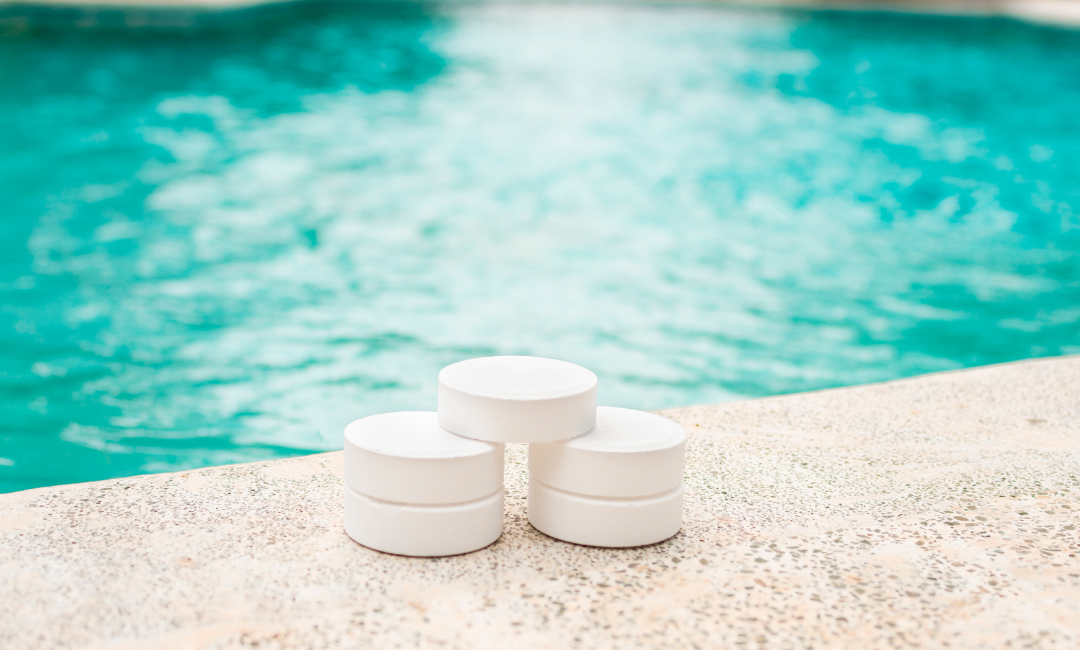
Your eyes are burning, your skin’s itchy, and the pool smells like a chemical factory. High chlorine strikes again. Last week, a customer called us panicking – their pool hit 10 ppm after a shock treatment gone wrong.
Too much chlorine turns your backyard oasis into a no-swim zone. But here’s the thing: lowering chlorine isn’t about dumping random chemicals and hoping for the best. It’s about understanding what you’re dealing with and choosing the right fix.
What you’ll learn:
- How chlorine actually works (and why it spikes)
- Quick fixes to drop levels TODAY
- Chemical-free methods that actually work
- Prevention tricks to avoid this mess
- When DIY becomes dangerous
At Sublime Pools & Spa, we’ve rescued hundreds of over-chlorinated pools across South Florida. Our techs handle everything from simple chlorine adjustments to complete water rebalancing. If you’re in Broward County and need immediate help, we offer same-day service for chemical emergencies.
Understanding Chlorine
Chlorine isn’t just some random chemical we dump into swimming pools. It’s your water’s bodyguard, taking down bacteria, algae, and every other microscopic party crasher trying to turn your pool into their personal playground.
But here’s the catch – chlorine needs balance. Too little? You’re swimming in a petri dish. Too much chlorine in your pool? Your eyes burn, your skin itches, and that “clean pool smell” becomes overwhelming. Let’s find that sweet spot where your swimming pool water stays safe without feeling like a chemistry experiment.
Chlorine 101
Free chlorine actively destroys harmful microorganisms. Combined chlorine (chloramines) forms when chlorine bonds with contaminants – this is the stuff that stings your eyes.
Without proper chlorine levels, your pool becomes a breeding ground for things you can’t see but definitely don’t want. We’re talking E. coli, Giardia, and algae blooms that turn water green overnight.
- The ideal range: Keep free chlorine between 1-3 ppm. Your chlorine stabilizer (cyanuric acid) should sit at 30-50 ppm to protect chlorine from UV breakdown.
- What affects levels: Sunlight destroys unstabilized chlorine fast. Rain dilutes it. Heavy swim loads consume it. Even your chlorine feeder settings or how you store chlorine tablets impact chemical levels.
Testing is Key
Testing your pool water isn’t optional – it’s survival. Those chemical levels change constantly, and guessing wrong means swimmers suffer.
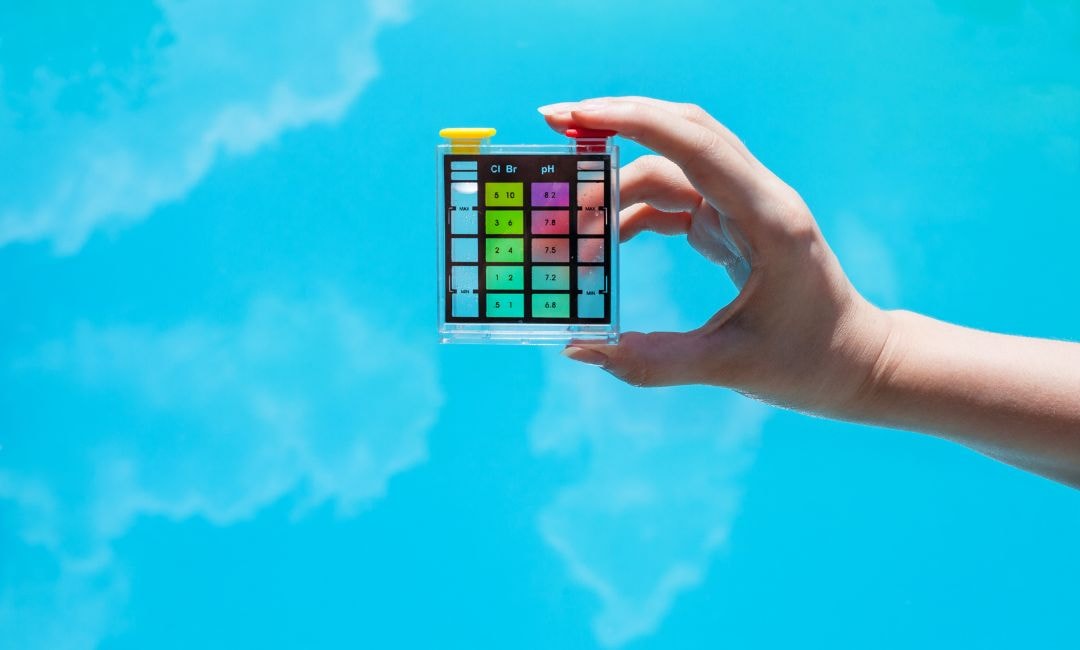
- Get the right tools: Skip test strips for anything serious. Digital testers or drop kits give accurate readings for both free and combined chlorine. Sodium thiosulfate in drop kits neutralizes chlorine for precise testing.
- Test smart: Check levels twice weekly minimum. After storms? Test immediately. Heavy pool party? Test before and after. Your pool cover traps chlorine gas, so test after removing it too.
- Know your numbers: Free chlorine should exceed combined chlorine. If combined chlorine hits 0.5 ppm or higher, you need shock treatment. High cyanuric acid (over 100 ppm) locks up chlorine, making it useless.
At Sublime Pools & Spa, we offer free water testing at our Broward location. Bring a sample, and we’ll analyze all chemical levels in minutes. Our techs explain exactly what’s happening in your pool and whether you need hydrogen peroxide, a chlorine neutralizing chemical, or just patience to reduce pool chlorine levels naturally.
Quick Fixes to Drop Levels TODAY
When chlorine spikes above 5 ppm, you need action now. Here’s what actually works when you can’t wait for UV rays to do the job.
- Sodium thiosulfate remains the fastest chlorine neutralizer available. Add 2 ounces per 10,000 gallons to drop levels by 1 ppm. Pour it slowly near return jets, wait a few hours, then retest. The stuff works in minutes, but overdosing crashes your chlorine to zero.
- Hydrogen peroxide (pool grade, 35% concentration) breaks down extra chlorine without leaving residues. Use 1 cup per 5,000 gallons to lower chlorine levels by roughly 3 ppm. It won’t affect pH levels or calcium hardness like other neutralizing chemicals.
- First step? Stop adding chlorine immediately. Remove chlorine tablets from floaters and turn off chlorine feeders. Sounds obvious, but pool owners often forget this basic move while panicking about high readings.
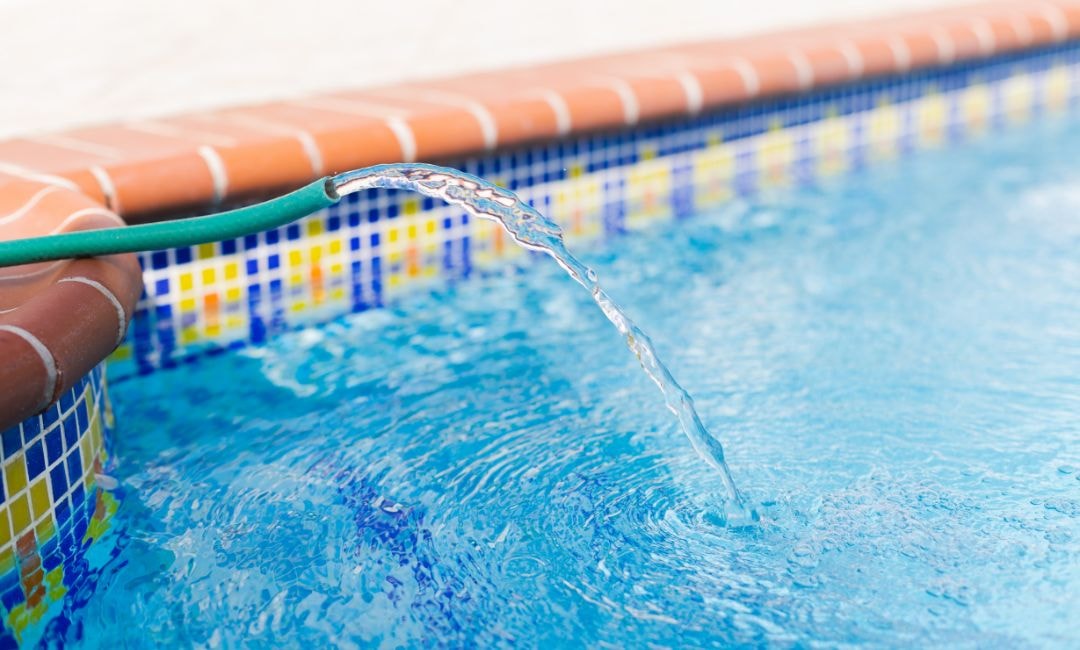
For extreme cases (10+ ppm), partially drain and refill. Drain 25% of your pool’s water, add fresh water, then test again. This dilution method works for any large pool but wastes water and disrupts chemical balance.
Chemical-Free Ways to Lower Excess Chlorine
Mother Nature handles overchlorination better than any chlorine reducer – if you’ve got time.
- Direct sunlight destroys 90% of unstabilized chlorine in 2-4 hours. Remove your cover, turn off feeders, and let the sun work. This method maintains pH level stability while naturally breaking down chlorine.
- Aeration accelerates chlorine loss. Run jets, fountains, and waterfalls at full blast. The agitation releases chlorine gas while adding oxygen that helps neutralize remaining chlorine. Works best when levels in your pool sit between 4-7 ppm.
- Heavy swimming consumes chlorine fast. Each swimmer uses about 0.5 ppm per hour. Got a pool party planned? Perfect timing. The bather load naturally reduces chlorine while everyone enjoys an… well, mostly enjoyable swimming experience.
- Time solves everything. Without adding chlorine, levels drop 1-2 ppm daily through normal breakdown. Test water regularly and wait it out if you’re at 5 ppm or less.
Preventing Over-Chlorination
Smart pool maintenance prevents chlorine spikes before they happen.
- Calibrate your chlorine feeder monthly. These devices drift over time, dumping way more chlorine than needed. Commercial pools check feeders weekly – you should too.
- Test before shocking. Use a DPD testing kit to check current levels. If you’re already at 3 ppm, skip the shock or reduce the dose. Never shock “just because it’s Sunday.”
- Understand your stabilizer. Cyanuric acid above 50 ppm requires more chlorine to stay effective, leading to overshooting. Keep it between 30-50 ppm to prevent the add-more-chlorine cycle.
- Calculate properly. Every 10,000 gallons needs different amounts. That dosing chart on the bucket? It assumes zero existing chlorine. Adjust accordingly or risk overshooting your target.
- Weather matters. After heavy rain dilutes your pool, resist dumping extra chemicals immediately. Test first, add gradually. Rain affects calcium hardness and pH levels, too – fixing one problem often creates another.
- Document everything. Track when you add chemicals, how much, and the results. Patterns emerge showing why you’re constantly fighting high chlorine. Maybe that automatic feeder runs longer than you thought?
When DIY Becomes Dangerous
Some situations demand professional help. Period.
- Chlorine above 10 ppm enters dangerous territory. This causes severe lung irritation, chemical burns, and equipment damage. Don’t swim, don’t wait – call for immediate service.
- Green pool with high chlorine signals bigger problems. Algae growth despite high chlorine means your water chemistry is completely broken. Something’s locking up the chlorine, making it useless.
- Can’t get stable readings after multiple attempts? Your test kit might work fine – the problem runs deeper. Imbalanced water gives false readings that send you chasing ghosts.
- Equipment damage signs: Rubber o-rings deteriorating, metal fixtures corroding, or vinyl liner bleaching all indicate chronic over-chlorination. Sublime Pools & Spa inspects equipment and plumbing for chemical damage during every service call.
- Health symptoms persist even after lowering chlorine? If swimmers still experience burning eyes, skin irritation, or breathing issues at normal levels, combined chlorine or other contaminants need professional attention.
We’ve seen DIY attempts go sideways fast. One customer added chlorine neutralizer gradually… for three days straight. They crashed their chlorine to zero, algae bloomed, and the cleanup cost triple what professional balancing would have.
When you call pros, they bring commercial-grade testing equipment, know exact chemical interactions, and fix problems without creating new ones. Plus, they’ll explain how to resume regular chlorination safely and maintain proper levels in your pool long-term.
Keep Your Pool Clean and Balanced with Sublime Pools & Spa
Getting your chlorine level back to that sweet spot doesn’t have to be complicated. Whether you’re dealing with a burning sensation from too-high levels or just want to monitor chlorine levels better, you’ve got options that work.
Key takeaways:
- Stop adding chlorine immediately and test your water sample to know where you stand
- Natural sunlight breaks down chlorine pools in a short period (2-4 hours of UV exposure)
- Partial draining works fastest, but it affects other chemical levels in your pool
- Swimming’s safe below 5 ppm, but 1-3 ppm keeps your pool clean without health issues
- Sodium thiosulfate neutralizes excess chlorine when you need to reduce chlorine levels quickly
Managing total chlorine and keeping everything balanced takes experience. That’s where Sublime Pools & Spa’s No Green Pool Guarantee comes in—we handle the chemistry so you can skip the guesswork. Our team knows exactly how to lower the chlorine while maintaining crystal-clear water across South Florida.
FAQs
How do I lower the chlorine level in my pool fast?
The quickest way to reduce chlorine levels involves partial draining and refilling with fresh water. This dilutes high levels immediately. Alternatively, add sodium thiosulfate following the manufacturer’s instructions—it neutralizes chlorine within hours. Stop adding chlorine and remove any floating dispensers to prevent levels from climbing higher.
What to do if my pool chlorine is too high?
First, stop all chlorine additions and remove tablets or floaters. Test your water sample to determine exact levels. If above 5 ppm, consider partial draining or adding sodium thiosulfate. Let sunlight naturally lower the chlorine over 2-4 days. Keep the pool uncovered during daylight hours for faster results.
How long does it take for chlorine levels to drop?
Natural breakdown takes 2-4 days with full sun exposure. UV rays reduce chlorine levels by about 1 ppm every 2-3 hours of direct sunlight. Chemical neutralizers work within 24 hours. Partial draining provides instant results but requires rebalancing other chemical levels afterward.
Can you swim in a pool with high chlorine?
Swimming’s generally safe up to 5 ppm, though you might experience red eyes or skin irritation. Above 10 ppm can cause a burning sensation and respiratory issues. Wait until levels drop below 5 ppm for comfort, ideally between 1-3 ppm for the best swimming experience without health issues.
Does shocking my pool lower the total chlorine?
No, shocking actually increases both free and total chlorine temporarily. Shock treatments add concentrated chlorine to eliminate contaminants. After shocking, chlorine levels spike then gradually decrease over several days. Never shock to reduce chlorine—it’ll make high levels worse.
What are the symptoms of too much chlorine in a pool?
Watch for red, burning eyes, itchy skin, and that overwhelming bleach smell. Swimmers might experience breathing difficulties, especially those with asthma. Faded swimsuits and brittle, greenish hair indicate consistently high levels. These symptoms typically appear above 5 ppm and worsen as concentration increases.
What neutralizes chlorine in a pool?
Sodium thiosulfate neutralizes chlorine most effectively—use 2 ounces per 10,000 gallons to drop 1 ppm. Hydrogen peroxide also works, but it can affect pH. Vitamin C (ascorbic acid) neutralizes chlorine in smaller amounts. Always follow the manufacturer’s instructions and retest after treatment.
Will baking soda lower the chlorine level in the pool?
No, baking soda raises alkalinity and pH but won’t reduce chlorine levels. It’s great for balancing water chemistry, but doesn’t neutralize chlorine. For lowering chlorine levels, stick to proven methods like sunlight exposure, sodium thiosulfate, or partial draining.
Why is my pool using so much chlorine?
High chlorine demand usually means contaminants are consuming it faster than normal. Common culprits include algae growth, heavy bather loads, debris, or imbalanced water chemistry. Phosphates and nitrates feed algae, increasing chlorine consumption. Poor circulation or filtration makes chlorine work harder to keep water clean and produce water clarity.


