


Your pool’s surface is more than just a material; it’s the canvas for your backyard oasis. With a splash of options out there, picking one that truly fits your vision and lasts can seem tricky. We make it simple. There are several common types and the most common types of pool finishes available, such as plaster, pebble, quartz, tile, and glass.
Choosing well means years of perfect poolside moments. Sublime Pools & Spa has extensive experience installing these finishes with precision. We help your selection perfectly match your dream backyard.
| Pool Finish Type | Typical Lifespan | Initial Cost Range | Ongoing Maintenance Needs |
|---|---|---|---|
| Plaster | 7-10 Years | Lowest | Regular brushing, careful water balance |
| Quartz Aggregate | 10-15+ Years | Moderate | Moderate; less porous than plaster |
| Pebble Aggregate | 15-20+ Years | Moderate to High | Low; durable, less frequent brushing |
| Polished Aggregate | 15-25+ Years | High | Low; smooth surface, resists algae well |
| Ceramic/Porcelain Tile | 25+ Years (Potentially much longer) | High | Very Low; non-porous, check grout periodically |
| Glass Tile | 25+ Years (Potentially much longer) | Very High | Very Low; nonporous, check grout periodically |
| Marble Tile | 15-25+ Years | Very High | Moderate; potential sealing, precise chemistry needed |
#1. Plaster: A Timeless Pool Surface
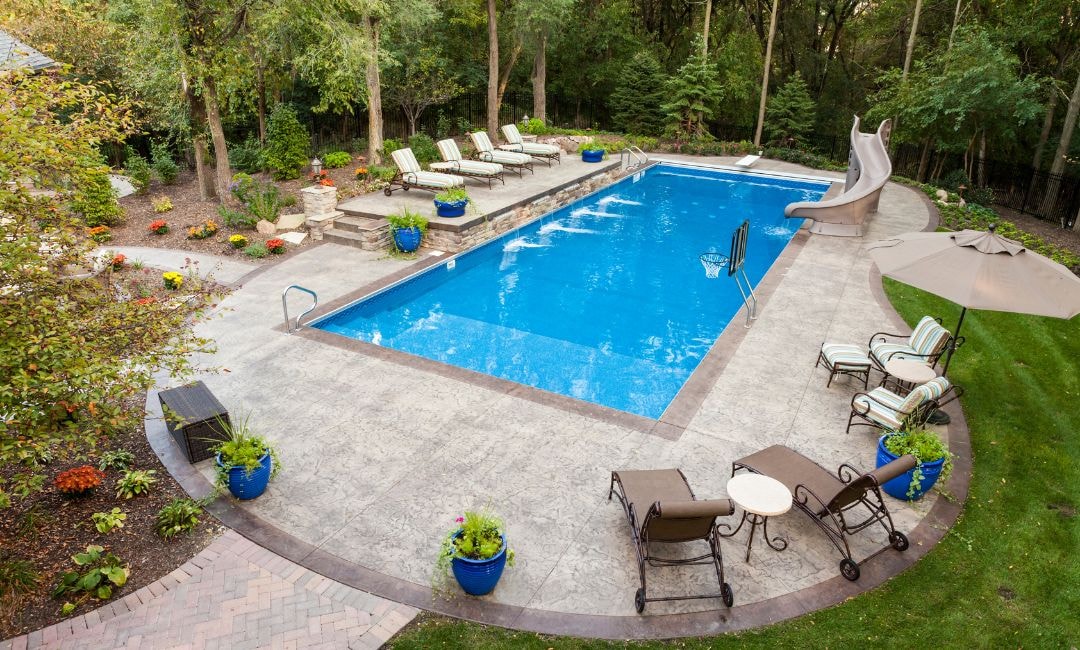
Plaster has held its ground as a leading choice for coating concrete pool shells for decades. It’s what often comes to mind for that classic, bright pool appearance.
What Exactly Is Plaster?
This traditional pool surface is a carefully prepared mixture. Typically, it combines white cement with marble dust or silica sand. Once applied, it forms a smooth, protective layer over the pool’s concrete structure.
The Appeal of Plaster Finishes
Why do so many opt for plaster? Several good reasons:
- Signature Look: It delivers that timeless, clean aesthetic, especially white plaster, which gives pool water a brilliant blue hue.
- Wallet-Friendly: When you look at the cost per square foot, plaster is often the most economical way to finish a pool.
- Smooth Beginnings: Initially, the surface feels wonderfully sleek underfoot.
- Color Your Swim: Beyond white, plaster can be tinted to achieve various water color effects and styles.
Points to Keep in Mind
While plaster is a solid option, there are a few aspects to consider for your dream pool:
- Porosity Factor: Plaster is more porous than some types of pool finishes. This can make it prone to staining from pool chemicals or algae if the water chemistry is off.
- Durability: It generally has a shorter lifespan compared to aggregate or tile finishes. You might see wear after several years.
- Texture Over Time: The initially smooth surface can become rougher with age and use.
Lifespan and Care
A standard plaster finish usually lasts about 7 to 10 years. Consistent care makes a big difference:
- Regularly brush the pool surface.
- Maintain balanced pool water chemistry. This is key to preventing stains and extending its life.
#2. Pebble Finishes: A Touch of Nature
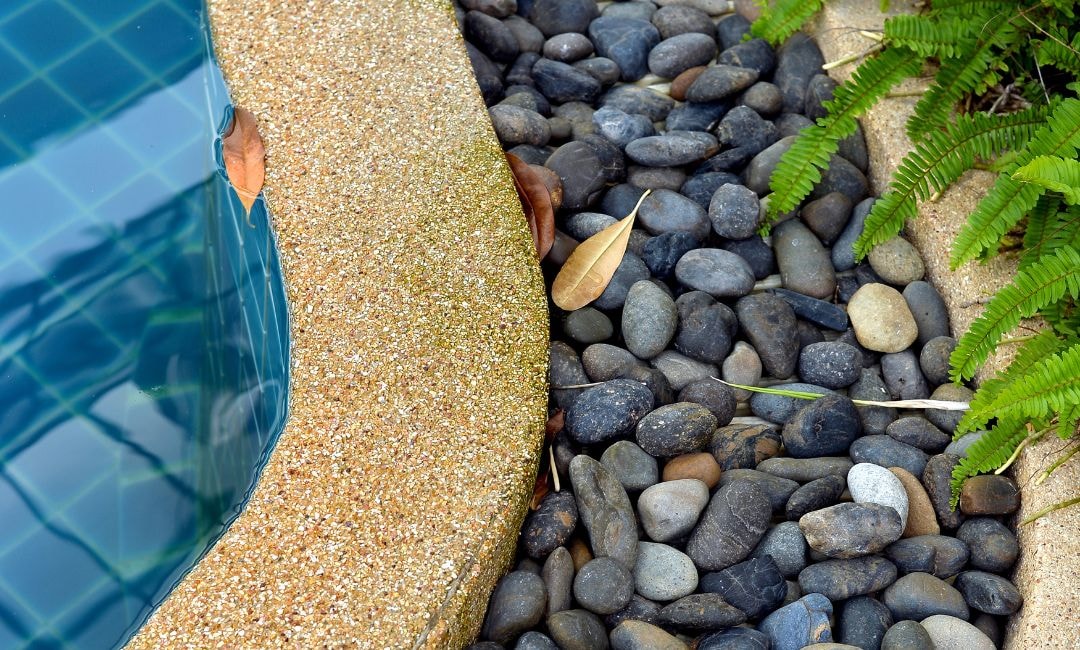
For a pool surface that brings the beauty of a riverbed to your backyard, pebble finishes offer a unique and lasting option. These surfaces combine small, smooth river pebbles with fortified cement, creating a textured yet attractive result. Some pebble finishes also incorporate river stones for added color, texture, and durability.
Understanding Pebble Finishes
Unlike traditional plaster, a pebble finish embeds these natural stones directly into the material that lines your pool. This creates a distinctive look and feel, moving away from a flat surface to one with more character and depth. The small pieces of stone are the main feature here.
Why Choose a Pebble Surface?
Pebble finishes bring a lot to the table for your dream pool:
- Exceptional Durability: They are highly durable and resistant to chemical imbalances, making them very long-lasting.
- Natural Appeal: The stones provide a natural aesthetic that can range from rustic to sophisticated, depending on the pebble selection.
- Stain Resistance: Generally less porous than plaster, offering better protection against stains.
- Steady Color: The color comes from the stones themselves, so it won’t fade like some dyed finishes might.
- Varied Textures: You can often choose the size of the pebbles, influencing the final texture.
Considerations for Pebble
There are a couple of points to weigh with pebble pool finishes:
- Initial Cost: Pebble surfaces typically have a higher upfront cost per square foot compared to plaster.
- Texture Underfoot: While many find the texture pleasant and non-slip, those with very sensitive feet might find larger pebbles less comfortable.
- Skilled Application: Achieving a consistent, beautiful pebble surface requires experienced installers.
Lifespan and Upkeep
You can expect a quality pebble finish to last 15 to 20 years, or even longer with good care. Upkeep involves maintaining proper pool water chemistry, though they generally require less brushing than plaster.
#3. Quartz Finishes: Beauty Meets Strength

If you like the smoothness of plaster but want something with more staying power and a bit of sparkle, quartz finishes are an excellent middle ground. These are essentially plaster surfaces fortified with fine colored quartz crystals.
What Defines a Quartz Finish?
A quartz finish blends traditional cement and marble dust or sand with particles of colored quartz and proprietary additives. This mixture results in a pool surface that is significantly harder and more resilient than standard plaster alone. The quartz crystals also add a subtle shimmer to the pool water.
Advantages of a Quartz Pool Surface
Adding quartz to the mix offers several benefits, including added sparkle.
- Increased Hardness: The quartz makes the surface much more durable and resistant to chipping or etching.
- Better Stain Resistance: Quartz is non-porous, so the finish is less susceptible to stains from algae or chemicals.
- Lasting Color: The color is more consistent and UV resistant, meaning it won’t fade as quickly under the bright sun.
- Subtle Sparkle: The quartz crystals catch the light, giving the water a beautiful, glittering appearance.
- Smoother Feel: Generally, quartz finishes offer a smoother texture compared to many pebble surfaces.
What to Know Before Selecting Quartz
A couple of factors to consider with quartz aggregate pool finishes:
- Cost Factor: While not as expensive as some pebble or all-tile surfaces, quartz is pricier than traditional plaster finishes.
- Not Impervious: Though highly stain-resistant, it’s not completely stain-proof over many years if water chemistry is neglected.
Longevity and Maintenance
A well-maintained quartz pool finish can easily last 10 to 15 years, sometimes longer. Maintenance is similar to plaster – keep your water chemistry balanced. However, its less porous nature often means less work to keep it looking great.
#4. Aggregate Finishes: Sophisticated Blends

Beyond the common pebble or basic quartz-additive plaster, there’s a broader world of aggregate finishes. An aggregate finish is a decorative, durable pool surface made from cement and various aggregates like quartz, granite, marble, or even river stones.
What Sets These Aggregate Pool Finishes Apart?
These aggregate pool finishes often feature a higher concentration or different types of aggregates compared to simpler quartz-enhanced plaster. They can be either exposed (for a textured feel) or ground down and polished for an incredibly smooth, terrazzo-like appearance.
- Polished Aggregate: This type is meticulously ground and buffed to a super-smooth, refined surface. It feels great and offers a very high-end style.
- Exposed Aggregate: Similar to pebble, but can use a wider range of stones, glass, or even shells for unique textures and looks.
Perks of Premium Polished Aggregate
Why consider these more specialized aggregate finishes?
- Striking Beauty: The combination of different materials can create truly unique visual effects, from earthy to sparkling.
- Great Durability: Like other aggregates, these are very durable and resistant to wear and chemical issues.
- Custom Looks: Offer a wide range of design possibilities based on the chosen aggregate materials.
- Comfort (Polished): Polished aggregate options are exceptionally smooth to the touch.
Things to Note
A few points for consideration:
- Investment: These finishes are typically more expensive than standard plaster or quartz, reflecting the materials and labor involved per square foot.
- Expert Installation: Achieving that perfect polished or evenly exposed look requires highly skilled installers.
Lifespan and Looking After Them
A well-maintained pool with premium aggregate finishes is built to last, often 15-25 years or more.
- Polished aggregates are relatively low maintenance due to their smooth, non-porous (or less porous) surface.
- Exposed types are similar to pebble care – maintain water balance.
#5. Tile Finishes: The Premium Choice

When it comes to ultimate durability and a luxurious appearance, a tile finish stands in a class of its own. Covering the entire pool surface with tile – whether ceramic, porcelain, glass, or stone tile – offers a stunning and long-lasting solution. Stone tiles are especially popular for those seeking a natural, textured look that enhances the pool’s overall aesthetic.
Understanding All-Tile Pools
An all-tile pool means the entire interior surface (floor and walls) is covered in tiles, not just the waterline. This creates a continuous, beautiful surface that is also exceptionally functional.
Why Go For a Full Tile Finish?
The reasons are compelling, especially for a dream pool:
- Unmatched Lifespan: Properly installed tile can last for decades, often outliving other finishes many times over. It’s incredibly durable.
- Superior Stain Resistance: Tiles are nonporous, meaning they don’t absorb chemicals or harbor algae easily. This makes cleaning simpler.
- Endless Design Options: From vibrant glass tile mosaics to classic ceramic patterns or natural stone tile like slate or marble, the style possibilities are vast. You might even consider hand-painted tiles for truly unique accents.
- Smooth Surface: Offers a consistently smooth feel.
- Color Brilliance: Tile, especially glass tile, reflects light beautifully, making pool water look exceptionally clear and inviting.
Key Considerations for Tile
- Highest Initial Cost: Tiling an entire pool is the most expensive finishing option upfront due to material and skilled labor costs per square foot.
- Installation Time: It’s a more labor-intensive process.
- Grout Maintenance: While tiles are low maintenance, the grout between them may need occasional cleaning or refreshing over many years.
Longevity and Care
An all-tile pool surface can easily last 25 years or much longer.
- Care is minimal: maintain water chemistry and brush occasionally if needed.
- The non-porous nature of ceramic, porcelain, and glass tiles makes them very easy to keep clean.
#6. Glass Finishes: Ultimate Sparkle & Clarity

For those seeking the most luminous and visually stunning pool surface, finishes incorporating significant amounts of glass, like all-glass tile pools or plaster/aggregate finishes with a high concentration of glass beads, offer unparalleled brilliance.
The Allure of Glass
Glass interacts with light and water in a unique way. It doesn’t just color the water; it amplifies the light, creating a bright, sparkling effect that can make your pool look like a jewel.
- All-Glass Tiles: As mentioned above, these offer incredible depth and luminosity. The finished product is exceptionally smooth and reflective.
- Glass Bead Finishes: These incorporate polished glass beads (often recycled glass) into a plaster or Portland cement-based mixture. The beads are then exposed, creating a surface that sparkles intensely under the sun.
Benefits of Going with Glass
Why choose a glass-dominant finish?
- Incredible Aesthetics: The sparkle and clarity are unmatched. It can make the pool water appear brighter and vibrant.
- Very Durable: Glass tile is extremely durable and nonporous. Glass beads in an aggregate mix also contribute to a tough surface.
- Smoothness: Polished glass beads or glass tiles create a very smooth, comfortable pool surface.
- Color Retention: Glass does not fade; its color is permanent.
What to Factor In
- Cost: Glass finishes, particularly all-glass tile, are at the premium end of the price spectrum. Glass bead aggregate finishes are also more expensive than standard options.
- Specialized Installation: Working with glass tile or glass bead finishes requires specific expertise to get that perfect, radiant look.
Glass Longevity and Care
Like other tile or robust aggregate finishes, those with a high glass content are designed for the long haul, easily lasting 20 years or more.
- Being non-porous, they are very resistant to algae and staining.
- Maintenance involves standard water balancing.
#7. Marble Finishes: A Touch of Classic Luxury

Marble has always been synonymous with elegance and high-end design. In the realm of pool finishes, it brings that same touch of classic luxury, offering a timeless appearance that can transform your pool into a sophisticated retreat. Its use in pools isn’t new, but modern applications have expanded its versatility.
The Allure of Marble in Pools
The natural beauty of marble, with its unique veining and soft, luminous quality, is undeniable. It has a way of making any surface look more refined. For your pool design, incorporating marble means choosing a material that speaks of quality and enduring style.
Marble in Modern Pool Finishes
You’ll find marble used in several ways to create stunning pool surfaces:
- Polished Marble Aggregate: Finely crushed marble can be a key component in polished aggregate finishes. This creates an incredibly smooth, almost velvety surface that feels luxurious and looks spectacular, especially as sunlight dances on it.
- Marble Tiles: For the ultimate statement, marble tiles can be used for waterline accents or to tile an entire pool. This is a premium option, often seen in high-end custom pool projects, offering a stone tile choice with unparalleled grace.
- Marble Dust Plaster: Traditionally, marble dust is a primary ingredient in classic white plaster finishes. It contributes to the smoothness and the bright white appearance that makes pool water look so inviting.
Why Consider Marble?
Opting for marble elements in your pool finish offers distinct advantages:
- Unmistakable Elegance: It provides a high-end, luxurious look that few other materials can match.
- Natural Beauty: Each piece of marble is unique, bringing an organic, sophisticated style to your pool.
- Cooler Surface: Marble tends to stay cooler to the touch under the sun compared to some darker materials.
Points on Marble Pool Surfaces
While beautiful, there are considerations with marble:
- Cost: As a premium material, marble generally comes with a higher cost, whether as tile or a significant part of an aggregate mix.
- Relative Softness: Compared to granite or porcelain tile, marble tile is a softer stone. It can be more susceptible to etching if pool water chemistry is not carefully maintained. With marble dust in plaster, it performs as part of that plaster finish.
- Maintenance: Proper sealing may be needed for some marble tile applications to protect against staining. Consistent pool water balance is always key.
As your trusted pool builder, at Sublime Pools & Spa, we appreciate the timeless appeal of marble. We can expertly incorporate marble into your pool design, whether through elegant polished aggregate mixes containing marble or by installing beautiful marble tile. We help you understand how to care for this beautiful stone to maintain its exquisite appearance.
Choosing The Right Pool Finish: Key Factors
Selecting the right pool finish for your dream pool is a significant decision. It goes far beyond just picking a color; for example, choosing a green pool finish can create a natural, lagoon-like water color, and the finish color directly impacts the pool’s overall aesthetic.
The material you choose impacts the pool’s appearance, its durability, long-term maintenance needs, and the overall cost. Let’s break down the critical factors to consider.
It’s More Than Just Color
While the color of your pool water is a huge part of the fun, the actual pool surface material dictates so much more. The finish is the largest single surface of your pool design, and it’s the part you’ll interact with most.
What’s Your Budget?
Pool finishes vary widely in cost, often calculated per square foot.
- Plaster finishes are typically the most budget-friendly entry point.
- Aggregate finishes like quartz and pebble pool finishes fall into a mid to upper-mid range.
- Premium aggregate finishes, glass tile, stone tile, and full marble tile represent the higher end of the investment spectrum. Consider both the initial outlay and the expected lifespan of the finish to gauge long-term value.
Defining Your Desired Look and Feel
Think about the overall style you want for your backyard oasis.
- For a classic, clean appearance, white plaster or a subtle polished aggregate might be perfect.
- If a natural, lagoon-like setting is your goal, pebble finishes or darker stone elements could be ideal.
- Modern, sleek pool designs often feature porcelain tile, glass tile, or very smooth quartz or polished aggregate finishes. The texture of the pool surface is also important—do you prefer the silky smoothness of polished aggregate or tile, or the more tactile feel of an exposed pebble?
How Long Do You Want It To Last?
The durability of pool finishes varies significantly.
- Plaster may need refinishing in 7-10 years.
- Quartz and pebble finishes often last 10-20+ years.
- Tile finishes (ceramic, porcelain, glass) can last for decades, making them a highly durable option. Your willingness to reinvest in resurfacing down the line should influence your choice of material.
Your Approach to Maintenance
Be honest about how much time and effort you’re willing to dedicate to pool maintenance.
- Non-porous surfaces like tile (especially porcelain and glass) are generally the easiest to clean and most resistant to algae and staining.
- While all pools require balanced pool water, some finishes are more forgiving of slight chemical fluctuations than others.
Consider who uses the pool most. If you have active kids, a durable and perhaps more textured, non-slip surface, like pebble, might be a good choice. For a serene adult retreat, the smoothness of polished aggregate or the beauty of glass tile could be paramount.
Your Dream Pool Finish: Sublime Pools & Spa Makes It Easy
Choosing your pool finish is a big step towards creating your dream pool. With so many options, from classic plaster to luxurious tile, understanding the basics of cost, look, and maintenance helps you choose wisely.
Here’s a quick recap of what to keep in mind:
- Consider your budget for pool remodel: Costs vary widely from plaster to glass tile.
- Match the style: From natural pebble to sleek polished aggregate or vibrant tile, pick what you love.
- Factor in durability: Lifespans range significantly across different materials.
- Assess maintenance: Some pool surfaces require more ongoing care than others.
- Prioritize feel: The texture of the finish impacts your comfort and the pool’s use.
Feeling clearer? Great. For expert advice and professional installation of any pool finish we’ve discussed, from durable pebble to elegant marble tile, Sublime Pools & Spa is ready to bring your vision to life in South Florida. Let’s build your perfect pool.
FAQs
What type of pool resurfacing is best?
The ‘best’ type of pool resurfacing really depends on your specific needs and priorities. If ultimate durability and low maintenance are key, tile finishes excel. If budget is a primary concern, plaster is a popular choice. It’s about matching the material to your dream pool vision.
What pool finish lasts the longest?
Generally, tile finishes – such as porcelain tile, ceramic, or glass tile – boast the longest lifespan, often lasting 25 years or even more with proper care. Dense aggregate finishes like quality pebble and polished aggregate, also offer impressive durability.
What is the best surface for a swimming pool?
The best surface for a swimming pool is the one that best fits your budget, desired aesthetic, and how much maintenance you’re prepared to undertake. For some, it’s a natural pebble texture; for others, it’s the smooth elegance of polished finishes or the timeless appeal of tile.
What is the cheapest pool finish?
Standard white plaster is typically the most economical or cheapest pool finish when it comes to initial installation cost. However, it’s also wise to consider its lifespan and maintenance requirements when thinking about long-term value.


